Guide to Minimizing the Impact of PPE Waste
Comprehensive Guide to Minimizing the Impact of PPE Waste
Personal Protective Equipment (PPE) has played a pivotal role in protecting millions of people during public health emergencies and in various hazardous occupations. However, the surge in PPE usage, especially since the COVID-19 pandemic, has escalated concerns about its environmental impacts. Discarded masks, gloves, face shields, and gowns are increasingly polluting our landscapes and oceans. In this comprehensive guide, we will explore effective strategies for minimizing PPE waste and discuss innovative approaches to manage PPE responsibly.
Understanding the Environmental Toll of PPE Waste
What is PPE Waste?
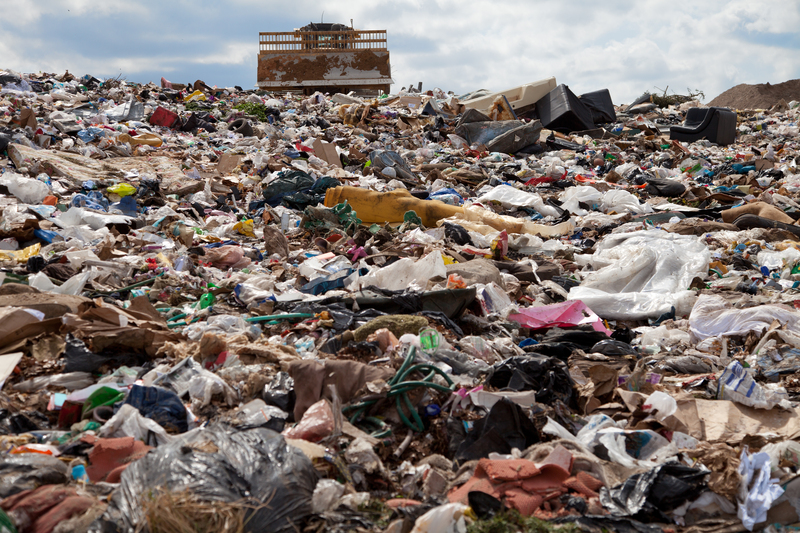
PPE waste includes used masks, gloves, visors, gowns, shoe covers, and other disposable safety gear. While these items serve as a vital protective barrier, once discarded, they become a significant source of environmental pollution. Most single-use PPEs are manufactured from non-biodegradable plastics like polypropylene, which can persist in the environment for hundreds of years.
The Scale of the Problem
According to recent studies, billions of PPE items are used and discarded monthly worldwide. The improper disposal of PPE has led to:
- The accumulation of plastic waste in landfills and water bodies
- Microplastic formation due to degradation of masks and gloves
- Threats to marine and terrestrial wildlife due to entanglement or ingestion
- Potential health risks associated with improperly handled used PPE
By minimizing the impact of PPE waste, individuals, organizations, and healthcare settings can contribute significantly to environmental preservation.
Best Practices for Minimizing PPE Waste at the Source
1. Evaluate Need and Use Reusable PPE
One of the most effective ways to reduce PPE waste is to limit its use to situations where it's genuinely required. Where possible, replace single-use PPE with reusable alternatives. For instance:
- Cloth masks: These can be washed and reused multiple times while still offering effective protection for the general public.
- Reusable face shields and goggles: Opt for gear that can be disinfected after each use.
- For hospitals and hazardous work environments, investigate options for autoclavable gowns, respirators, and gloves.
2. Educate Users on Proper PPE Usage
A considerable amount of PPE is disposed of not due to contamination, but because of incorrect use. Proper training ensures:
- PPE is only used when necessary
- Users maximize the lifespan of the product
- Reduction in unnecessary disposal
3. Implement PPE Stock Management
Institutions can adopt stock control measures to avoid over-stocking and wastage due to expiration. Efficient stock management results in:
- Orderly use of available PPEs
- Less spoilage and disposal of expired items
- Reduced environmental footprint
Innovative Approaches to PPE Waste Minimization
Biodegradable and Compostable PPE
To minimize the environmental effects of PPE disposal, emerging technologies are focusing on biodegradable and compostable materials. For example:
- Masks made from natural fibers like cotton or bamboo
- Gloves manufactured from plant-based bioplastics
- Lab coats and gowns constructed from compostable polymers
Adopting compostable PPE can drastically decrease plastic waste and promote soil health when discarded responsibly.
PPE Recycling Programs
Some companies and local governments are piloting PPE recycling programs where collection boxes are placed at convenient locations. The collected PPE is then processed using advanced recycling methods, including:
- Mechanical recycling: Melting down plastics to be repurposed into new items
- Chemical recycling: Breaking PPE down into basic compounds for reuse
- Creative repurposing in construction or textile industries
By participating in PPE waste recycling initiatives, you contribute directly to minimizing landfill load and conserving resources.
Upcycling Single-Use PPE
Artists, researchers, and innovators are exploring the upcycling of used PPE for non-medical purposes, such as road construction, insulation material, or eco-bricks. This approach transforms waste into valuable resources for community projects.
Safe and Effective PPE Disposal
Proper Collection and Segregation
Correct disposal is vital in the management of PPE waste to prevent environmental contamination and health risks. Adhere to the following steps:
- Dispose of non-contaminated PPE (used by the general public) with regular waste, following local regulations.
- Separate contaminated PPE (used in medical or quarantine settings) and label them clearly for hazardous waste disposal.
- Encourage the use of clearly marked disposal bins in public spaces, offices, and hospitals.
Specialized PPE Waste Treatment Methods
For healthcare facilities and industries, special treatment is required to minimize risks:
- Autoclaving: Using steam sterilization to disinfect before landfill or further processing.
- Incineration: Controlled burning at high temperatures to safely dispose of contaminated items. Modern incinerators reduce air pollution through advanced filtration.
- Plasma Pyrolysis: Advanced technology converting waste into energy with minimal emissions.
While these methods eliminate pathogens, they must be managed responsibly to prevent additional environmental impacts.
Community and Corporate Responsibility in Tackling PPE Pollution
Public Awareness and Citizen Action
An informed public is critical in the fight against PPE pollution. Community education campaigns should highlight:
- The importance of minimizing single-use PPE
- Safe disposal practices
- Participation in local PPE recycling initiatives
Community clean-up drives can also help remove improperly discarded items from public spaces and raise awareness about the issue.
Corporate and Institutional Responsibility
Businesses and healthcare providers must implement sustainable PPE management policies. This includes:
- Adopting environmentally friendly PPE wherever possible
- Educating employees about proper use and disposal
- Partnering with PPE recycling organizations
Instituting such measures demonstrates corporate social responsibility and supports broader sustainability goals.
Government Policies and Regulations for Minimizing PPE Waste Impact
National and local governments play a central role by enforcing regulations and incentives to promote sustainable PPE waste management. Effective policies might include:
- Bans or phased reductions on single-use plastic PPE where alternatives exist
- Subsidies and grants for research in biodegradable PPE
- Mandating PPE recycling in public sectors
- Public disposal infrastructure improvements
Collaboration between governments, industry, and civil society is essential for systemic change.
Personal Steps for Reducing Your PPE Waste Footprint
Everyone can take direct action to reduce the impact of PPE waste through simple, everyday choices:
- Choose reusable PPE: Invest in high-quality, washable masks and face shields where appropriate.
- Dispose responsibly: Do not litter used PPE; always use designated bins.
- Support sustainable brands: Prefer brands or suppliers offering eco-friendly PPE options.
- Stay informed: Follow updates on local PPE disposal or recycling programs.
- Educate others: Share knowledge about the importance of minimizing PPE waste with friends and family.

Future Innovations for Sustainable PPE Waste Management
Research is underway worldwide to further reduce the ecological impact of PPE waste, including:
- Wearable technologies that self-sterilize, extending the life of PPE
- AI-driven solutions for efficient PPE sorting and recycling
- Fully circular supply chains for medical and industrial PPE
As innovation continues, adopting new solutions will be key to achieving long-term sustainability.
Conclusion: A Collective Effort for a Cleaner Future
The rise of PPE usage has undeniably saved lives, but it has also introduced significant environmental challenges. By prioritizing PPE waste minimization through responsible use, effective disposal, innovation, and public engagement, we can safeguard both our health and the planet.
From individual choices to governmental policies, everyone plays a part in minimizing the impact of PPE waste. By staying informed, promoting eco-friendly practices, and supporting advancements in sustainable PPE, we can build a future where safety and environmental stewardship go hand in hand.
Your small steps today can make a big difference for generations to come.