Garden Clearance in Croydon
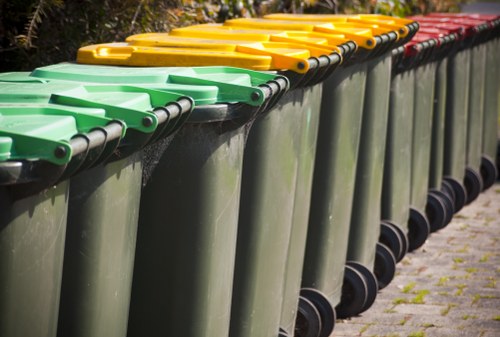
Garden clearance in Croydon should leave outdoor spaces tidy, usable and ready for the next stage of work, whether that means a seasonal reset, a property handover or simply reclaiming a neglected patch. Our service covers the removal of green waste, branches, cuttings, soil-contaminated debris and mixed garden materials that have built up over time. We also handle bulky outdoor items where they form part of the clearance, so you can deal with one organised job rather than several separate collections.
We focus on practical clearance work rather than cosmetic gardening. That means lifting, sorting, loading and taking away the material that no longer belongs in the garden, then leaving the area swept through where possible. If you are comparing options, think about what needs to go, how much access there is, and whether the work is a one-off clearance or part of a wider refresh. A clear brief helps keep the quotation accurate and the visit efficient.
From overgrown borders to cluttered sheds and heavy garden waste, our approach is designed to remove the burden quickly and methodically. If you need help deciding what can be cleared in one visit, or what should be separated for recycling, we can talk through the scope before you go ahead. For a straightforward starting point, you can request a quotation once you know the main items involved.
Garden waste and outdoor clutter removal

Most garden clearance jobs begin with loose organic waste, but they often include more than grass cuttings alone. We clear hedge trimmings, branches, roots, leaves, plant material, broken pots, damaged timber and other outdoor items that are no longer wanted. Where the material has been left for a while, we work through it in a sensible order so the space can be cleared without unnecessary disruption to surrounding beds, fences or paths.
Some customers only need a light clear-out after pruning or landscaping, while others need a heavier removal because the garden has become difficult to manage. In either case, the aim is to leave the area safer to use and easier to maintain. Our work is focused on collection and clearance, so it suits homeowners, landlords and managing agents who need the debris taken away rather than simply moved from one corner to another. If you are ready to compare options, now is a good time to ask for pricing.
The most useful details are often the simplest: what type of waste is present, whether the pile includes soil or rubble, and how accessible the garden is from the roadside or rear entrance. When that information is clear, the quotation can reflect the actual job rather than a rough guess. Keep the explanation practical and concise, and you will usually get a faster, more relevant response.
Clearing overgrown spaces and neglected plots

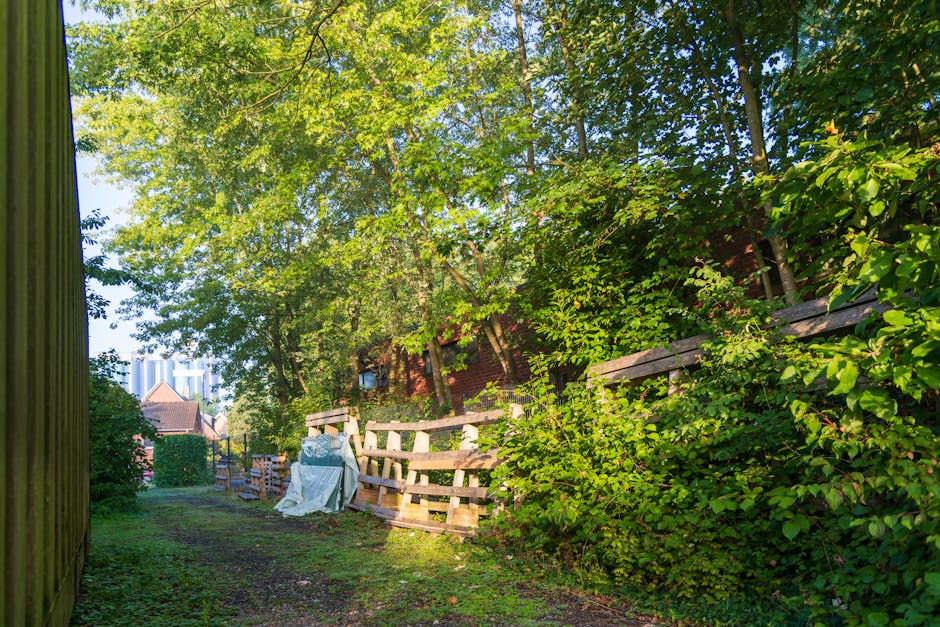
Some gardens need more than routine tidy-up work. Overgrown spaces can contain long grass, brambles, invasive growth, fallen branches and mixed rubbish that has collected over time. We approach these clearances as a measured removal job, breaking the work into manageable sections so the site can be opened up in a safe, sensible order. That makes it easier to see what is garden material and what needs separate handling.
Where vegetation is dense, access and quantity become the key factors. A path that is easy to walk may still be awkward to carry through if the route is narrow, muddy or obstructed by garden furniture and stored items. Our service is therefore suitable for customers who need a practical team to clear the material away without expecting the space to be transformed into a finished landscaped garden on the same visit. If that sounds like the right fit, send over the basic job details and we can take it from there.
What helps shape the work
The scope usually depends on the type of growth, the volume involved and whether the job includes reusable items, waste sacks, plant pots or broken outdoor fixtures. Photographs can be useful, especially when the garden is hard to describe clearly, but they are not the only way to start. A short note on what you want removed, how the site is accessed and any awkward steps or gates is often enough to build a sensible quotation.
Full garden clearances for move-out and sale preparation
When a property is being sold, let out or handed back, the outdoor space often needs to be cleared as part of the wider preparation. In those cases, garden clearance is less about routine maintenance and more about removing the visible clutter that prevents the area from presenting well. We can deal with accumulated waste, worn-out garden items and general outdoor debris so the space is left calmer and easier for the next stage of work.
This kind of clearance is especially useful where the garden has been used for storage as well as planting. Broken ornaments, old containers, damaged furniture and mixed material can all take up room and make the space feel smaller than it is. A proper clearance creates a cleaner starting point for whoever follows. It also helps separate what should be recycled from what must be removed as mixed waste, which is why it is worth describing the contents clearly at the enquiry stage.
For customers comparing services, it can help to think about the result they need rather than the individual item list alone. Do you want the whole garden emptied, or only the sections that are causing the main problem? A focused brief makes the process simpler and gives the quotation team enough detail to estimate the loading, labour and disposal side with more confidence.
Garden structures, furniture and bulky outdoor items

Not every garden clearance is green waste. Many outdoor spaces contain bulky items such as broken tables, chairs, barbecues, planters, storage units and other garden furnishings that no longer serve a purpose. We can remove those items alongside the garden waste where they are part of the same clearance, provided they can be safely lifted and taken away within the agreed scope. That avoids the need to arrange several separate collections for one space.
Bulky item removal is often a matter of access and handling as much as weight. A large item that is manageable in the open may be awkward if it has to pass through a narrow side return, down steps or through a back gate. We therefore look at the practical side of the job before the clearance begins. Clear access notes are useful, especially when there are steep paths, locked gates or areas where lifting needs extra care.
If you are unsure whether a damaged outdoor item counts as garden waste or general bulky waste, it is usually best to describe it plainly and let the scope be assessed. The goal is a tidy and orderly outdoor area, not a debate about categories. A brief summary of the items and their condition is normally enough to request a quotation with confidence.
Recycling, sorting and responsible disposal

Garden clearance produces a mixture of materials, and sensible sorting makes a real difference to how the job is handled. Green waste, timber, plastic containers, metals and general mixed debris may all appear in the same garden, but they do not all need to be treated in the same way. We separate the workable material from the rest where possible so the clearance can be handled in a more organised and practical manner.
Some jobs are simple because the waste is mostly organic, while others are more varied and therefore require more careful loading. That is one reason why a clear description matters: it allows the quotation to reflect the likely amount of sorting and handling involved. Responsible disposal is part of the service, but the exact mix of material determines how straightforward or involved the clearance will be. If you are unsure what the pile contains, a quick description is still a good start.
We also help customers decide whether to combine several small garden jobs into one visit. For example, pruning waste, a broken bench and a few damaged pots can often be dealt with together if the access and quantity are reasonable. Consolidating the work can make the clearance more efficient, provided the scope is described accurately before the visit is arranged.
About Croydon
Croydon is a large district in South London with a long and varied history that reaches from its origins as a market town to its present-day role as a major urban centre. The area grew around historic routes south from the city, and over time it developed a strong identity shaped by trade, transport and civic change. Today the borough includes a wide mix of residential streets, commercial centres and open green spaces, with central Croydon sitting alongside older neighbourhoods and more suburban parts to the south and east. The built environment reflects that layered history: there are remnants of earlier settlement, Victorian and Edwardian terraces, interwar housing, post-war redevelopment and newer residential schemes. Croydon Minster, with origins stretching back many centuries, remains one of the most recognisable historic buildings in the area, while the town centre has been strongly associated with modern commercial architecture and transport links. The borough is also known for its parks and commons, including large open spaces such as Lloyd Park, Wandle Park and Addington Hills, which provide contrast to the denser urban core. Local life is shaped by rail and tram connections, retail, public services and a cultural mix that gives different parts of Croydon distinct characters. The overall area is broad enough to include busy town-centre streets, quieter residential pockets and green edges that lead toward the North Downs, making Croydon a place of notable variety rather than a single uniform neighbourhood.
Planning a clearance visit
Before the job is booked, it helps to think through a few practical details that shape the scale of the work. Access is one of the most important factors, followed by the approximate volume of waste and whether the clearance includes only garden material or a wider mix of outdoor items. If there are obstacles such as narrow passageways, shared entrances or steps, mentioning them early can prevent surprises and make the estimate more accurate.
Another useful point is whether the garden has one concentrated pile or several smaller areas spread across the property. That affects how long the load will take to gather and carry. A short, clear description is usually enough; if the site is awkward, a few photographs can be helpful as well. The aim is not to overcomplicate the enquiry, but to make the request specific enough that the quotation reflects the actual work.
When you have that information ready, you can ask for a quotation in plain language and keep the process simple. Tell us what needs to go, note anything that may affect access, and say whether the job is urgent or can be scheduled flexibly. That gives you a firmer basis for comparison and helps the clearance be arranged in a sensible way.
Choosing the right level of garden clearance
Not every outdoor space needs the same depth of clearance. Some customers want only the visible waste removed so they can continue with gardening themselves, while others need a more complete clear-out before landscaping, property changes or handover. The right level of service depends on the condition of the garden, the amount of material present and how much of the outdoor area is being reset. A well-scoped job avoids paying for unnecessary work and avoids leaving half-finished clutter behind.
It can also be useful to separate the items into groups before asking for pricing: green waste, bulky outdoor items, general rubbish and anything that may require special handling because of weight or contamination. That does not mean you need to sort everything physically in advance, only that a sensible breakdown makes the quotation easier to understand. If the garden contains a mixture of materials, tell us so the estimate reflects the true nature of the clearance rather than a simplified assumption.
When a quotation is most useful
A quotation becomes most helpful when the customer already knows the core aim of the job: a tidier border, a cleared patio, a fully emptied plot or removal of a backlog that has built up over months. With that outcome in mind, the scope can be matched to the likely amount of loading and disposal. That is the most practical way to compare options and move ahead with confidence.
Garden clearance for domestic and managed properties
We carry out garden clearance work for homes and managed properties where outdoor areas need a tidy, workable result. That might involve a private house with an overgrown rear garden, a rental property that needs the outside area cleared before new occupants arrive, or a shared space where debris has built up around boundaries and storage areas. In each case the task is to remove what no longer belongs in the space and leave the remainder easier to manage.
Different property types bring different practical considerations. A domestic garden may have sentimental items, while a managed property may need a more neutral and efficient approach focused on safety, access and presentation. The core process stays the same: identify the waste, assess the load, remove it carefully and dispose of it responsibly. If you are trying to plan ahead, remember that a concise description of the property type and access route can make a real difference to the accuracy of the estimate.
Where there are multiple outdoor areas, it can be useful to say whether the clearance should cover all of them at once or only the part in the worst condition. That helps keep the job proportionate. A properly scoped clearance should feel orderly and practical from the start, with no need to overstate the problem or underplay it.