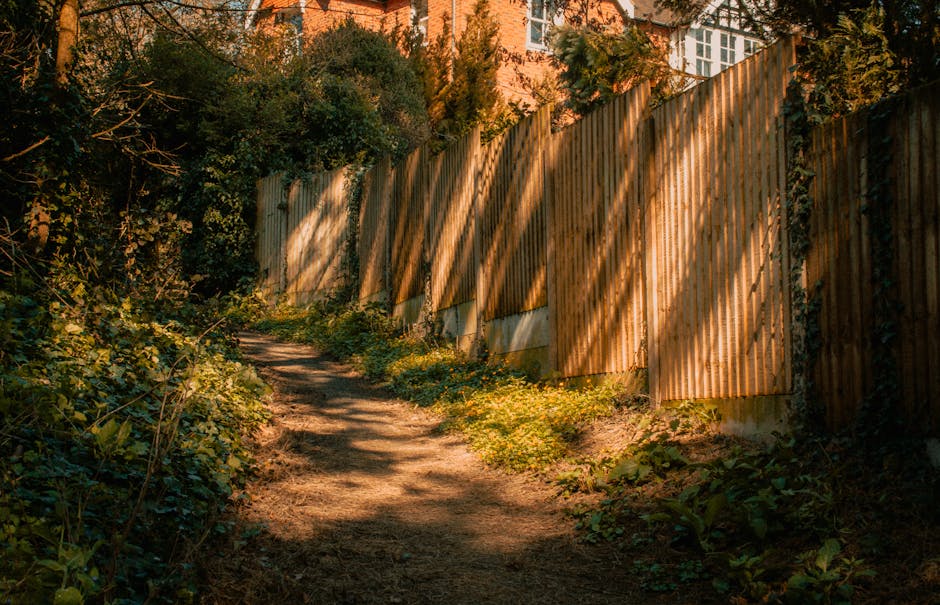
Purley garden rubbish clearance guide for narrow access drives
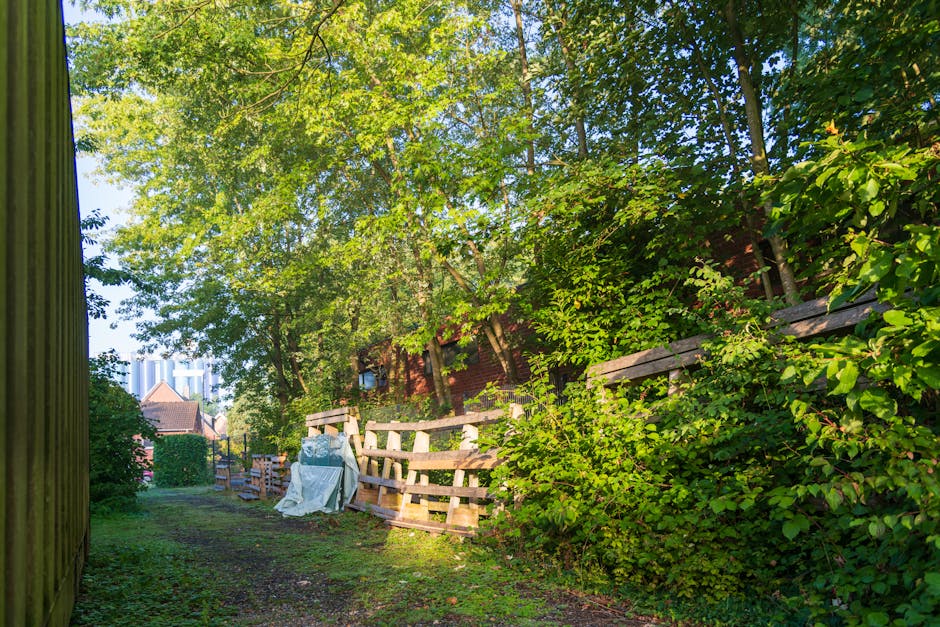
If you have ever stood at the bottom of a tight driveway with a pile of branches, bags, old pots and half a dismantled shed in front of you, you will know the problem straight away: garden rubbish clearance is one thing, but doing it through a narrow access drive is another beast entirely. This Purley garden rubbish clearance guide for narrow access drives walks you through the real-world issues, the practical fixes, and the decisions that make a clearance smooth rather than stressful.
Whether the access is squeezed between fences, shared with neighbours, blocked by parked cars, or simply awkward for a van to reverse into, the same principles apply: plan the route, sort the waste, protect the property, and use a method that fits the space. In Purley, that often means being a bit more careful than people first expect. Not dramatic. Just careful. And that usually saves time, money, and a fair bit of frustration.
In this guide, you will find a step-by-step approach, common mistakes to avoid, practical tools, a comparison of clearance methods, and a checklist you can actually use before anyone turns up. If you are comparing service options too, the wider garden clearance service information and the page on pricing and quotes can help you frame the job properly before you book anything.
- Why narrow-access garden clearance matters
- How the clearance process works
- Key benefits and practical advantages
- Who this is for and when it makes sense
- Step-by-step guidance
- Expert tips for better results
- Common mistakes to avoid
- Tools, resources and recommendations
- Law, compliance, standards and best practice
- Options and comparison table
- Case study or real-world example
- Practical checklist
- Conclusion
- Frequently asked questions
Why Purley garden rubbish clearance guide for narrow access drives Matters
Narrow access drives change the whole job. A clearance that looks straightforward from the garden gate can become fiddly once you factor in turning space, vehicle width, low branches, wet paving, neighbour access, and the simple fact that awkward waste rarely stacks neatly. Garden rubbish is also surprisingly varied: green waste, heavy rubble, old timber, broken edging, soil, fencing, shed panels, even the odd rusted barbecue that has somehow become part of the landscape.
Why does this matter? Because poor access increases the chance of damage and delays. A van may not fit at all. A wheelbarrow route may be too long or too steep. A crew may need to hand-load everything in stages. That is not a problem if it is planned for, but it becomes a mess if nobody thinks about it until the day. To be fair, most clearance problems are not really about waste. They are about movement.
Purley properties often include driveways that were designed for one family car, not a clearance visit with bulky bags and awkward branches. Some are shared. Some slope. Some have gates that open inward and cut into the usable space. So the big win here is simple: the more clearly you understand the access, the easier it is to choose the right method and avoid the classic "we thought the van could get closer" moment.
Expert summary: the best narrow-access clearance is not the fastest-looking one; it is the one that protects the driveway, keeps the route clear, and matches the waste to the space available.
How Purley garden rubbish clearance guide for narrow access drives Works
The process is usually more methodical than people expect. A good clearance starts before lifting anything. First, the access is checked. Then the waste is identified. After that, the route is planned so the team knows whether they can carry directly to the vehicle or whether they need to load in stages, use sacks, or break the job into manageable piles.
In a narrow drive, the clearance method often follows one of three patterns:
- Direct load-out: the vehicle can park close enough for quick loading.
- Hand-carry route: waste is moved by hand or in tubs along a safe path to the vehicle.
- Split-load collection: the waste is staged in sections, especially if access is tight or shared.
For many gardens, especially after pruning or a tidy-up, the load is mixed. Soft green waste might go in sacks, while heavier materials such as broken slabs or timber need separate handling. That separation matters because it affects how fast a team can work and how safely the items can be moved. It also helps with sorting for recycling later on, which is increasingly important and, frankly, just the decent way to do it.
If you are dealing with multiple kinds of waste at once, it can help to think about the job as part of a broader waste removal process rather than a simple garden tidy. That shift in thinking makes the whole thing more organised.
Key Benefits and Practical Advantages
The big benefit of planning for a narrow drive is that it reduces friction. There is less lifting across awkward distances, less risk of scraping paintwork or stepping on borders, and fewer surprises on the day. A narrow access job done well can actually feel calmer than a wide-open clearance that has not been thought through properly. Strange but true.
Here are the main advantages:
- Less property damage: careful routing reduces knocks to gates, paving and edging.
- Faster loading: when the collection point is clear, the team can work steadily instead of improvising.
- Better safety: narrow spaces can become trip hazards if waste is left scattered.
- Cleaner finish: a tidy route means less mud, debris and crushed planting left behind.
- More accurate pricing: access constraints can be factored in properly from the start.
There is also a less obvious benefit: better communication. When a homeowner explains the access clearly, the job runs more smoothly. The crew arrives with the right expectations, and nobody wastes time trying to squeeze a large vehicle into a space that was never meant for one. That kind of realistic planning saves everyone a bit of hassle.
Who This Is For and When It Makes Sense
This guide is for anyone in Purley who needs garden waste taken away but does not have generous side access, a wide drive, or open rear entry. That includes homeowners, landlords, letting agents, and people preparing a property for sale or rent. It is especially useful if the garden backs onto a narrow lane or if access is only possible through a shared path.
You will probably benefit from a structured clearance if any of the following apply:
- The driveway is too narrow for a standard van to fully pull in.
- There is a low wall, fence, gate or post that limits turning room.
- Garden rubbish has been piled at the rear of the property.
- The waste includes heavy or awkward items such as sleepers, paving, soil or broken sheds.
- You need the job completed quickly without disrupting neighbours.
It also makes sense if the garden forms part of a larger clear-out. A property might need a home clearance alongside outdoor waste removal, or a garage and garden tidy-up together. In those cases, combining the jobs can be more efficient than splitting them into separate visits.
Truth be told, narrow access is one of those things people underestimate until the crew is standing there looking at the gate measurements. Better to think it through early. Much better.
Step-by-Step Guidance
If you want the job to go smoothly, the safest approach is to break it into stages. Nothing flashy. Just practical steps that remove guesswork.
- Measure the access. Note the width of the drive, gate opening, turning points, and any tight corners. If the path narrows at one point, measure that too.
- List the waste types. Separate green waste, timber, soil, rubble, metal, and anything reusable or fragile.
- Clear the route. Move bins, planters, hoses, bikes, toys and anything else that could block the path.
- Protect surfaces. Use boards or mats where wheelbarrows, sacks or feet will pass repeatedly, especially on softer paving or gravel.
- Decide the loading method. Can a van come close, or will everything need to be carried out in stages?
- Stage the waste sensibly. Put lighter waste in one place and heavy waste in another, near the exit if possible.
- Check for hazards. Look out for nails, broken glass, sharp branches, bees, slippery moss, or leaning panels.
- Load in a logical order. Heavier items first, lighter bags later, with recycling-friendly sorting where practical.
- Do a final sweep. Pick up stragglers, check the drive edge, and make sure the access route is left clean.
A small but important point: if the gate opens inward and eats into the path width, factor that in. People forget this all the time. The gate itself can be the thing that turns "fine on paper" into "not quite happening in reality."
Expert Tips for Better Results
After enough clearance jobs, you start to notice patterns. The jobs that go best are not always the ones with the least waste. They are the ones where the access was understood early and the pile was arranged with the route in mind.
- Photograph the drive before the day of clearance. A couple of simple pictures showing the gate, turning point and storage area can be far more useful than a long description.
- Keep the route as straight as possible. Every extra turn slows loading and increases the chance of a trip or knock.
- Separate wet green waste from dry waste. Wet bags are heavier than they look. Nasty surprise, that one.
- Move the awkward stuff first. Long branches, broken trellis and partial panels can become a nuisance if left until the end.
- Check neighbour parking if the drive is shared. A van will need room to work, and nobody wants a diplomatic row at 8am.
- Plan for weather. Rain turns leaves into sludge and makes narrow routes slippery very quickly.
If you are comparing services, it is also worth asking how recycling is handled. A provider that works in a more sorted way may be better aligned with your needs, especially if the clearance includes timber, metals or reusable garden items. The page on recycling and sustainability is a useful place to understand the environmental side of the job.
And yes, sometimes the most helpful advice is the least glamorous one: do not rush the first five minutes. That is where most of the trouble starts.
Common Mistakes to Avoid
The mistakes in narrow-access clearance tend to be simple, but they create outsized problems. A small slip in planning can mean damaged paving, extra labour, or a job that has to be rescheduled. Nobody wants that, least of all on a damp Tuesday when the driveway is already half covered in leaves.
- Guessing the width. "Should fit" is not a measurement.
- Mixing every waste type together. It slows sorting and makes loading less efficient.
- Leaving the route blocked. Even a couple of wheelie bins in the wrong place can cause delays.
- Forgetting hidden hazards. Old screws, nails, broken concrete and rotten timbers are easy to miss.
- Assuming all access is equal. A narrow straight drive is not the same as a narrow drive with a bend, slope and gate restriction.
- Ignoring drainage and mud. A wet path becomes slippery fast, especially with repeated foot traffic.
One slightly humorous truth: waste has a talent for becoming heavier and more awkward the moment it reaches the end of a garden path. If it feels that way to you, it is not just you. It really does.
Tools, Resources and Recommendations
You do not need a warehouse of specialist kit, but a few practical tools can make a huge difference in a tight access job. The right equipment reduces strain and helps protect the property.
| Tool or resource | Best use | Why it helps on narrow drives |
|---|---|---|
| Heavy-duty garden sacks | Loose leaves, clippings, light mixed waste | Easy to carry through tight spaces and stack neatly |
| Wheelbarrow or sack truck | Short-distance movement of heavier waste | Reduces repeated lifting and speeds up hand-carry routes |
| Ground protection boards | Protecting paving, gravel or lawn edges | Minimises wear where several trips are needed |
| Work gloves and sturdy footwear | Handling rough or sharp materials | Improves grip and reduces the risk of injury |
| Measuring tape | Checking gate and driveway width | Removes guesswork before collection day |
| Clear labels or separate piles | Sorting waste types | Speeds loading and supports cleaner recycling |
For larger or mixed outdoor jobs, it can also help to look at related services such as builders waste clearance if the garden includes hardcore, old slabs or construction debris, or garage clearance if the waste has spread beyond the garden. The job is often broader than it first appears.
If you are still planning the work, the pages on health and safety and insurance and safety give you a sense of the standards a professional provider should take seriously. No drama, just sensible reassurance.
Law, Compliance, Standards, or Best Practice
Garden rubbish clearance in the UK is not just about shifting waste out of sight. There are basic responsibilities around safe handling, proper disposal, and avoiding nuisance or damage to neighbouring properties. The exact legal details can vary depending on the situation, but the best practice is consistent: use a responsible waste carrier, keep the site safe, and make sure waste is taken to an appropriate facility.
For homeowners, the practical takeaway is simple. Do not leave waste where it can blow, spill, leak or create an obstruction. If items are being moved through a shared or narrow access route, the route should be clear enough to prevent trips and avoid damage. If the waste includes sharp materials, heavy broken items, or potentially contaminated rubbish, careful handling matters even more.
On the provider side, a professional crew should be able to explain how the waste is sorted, how safety is managed on site, and how they reduce the chance of damage. If something looks risky, that should be discussed rather than guessed. A cautious approach is not overkill. It is normal.
As a customer, you may also want to check terms and conditions before booking so you understand what happens if access turns out to be different from what was described. That small bit of reading can prevent a bigger misunderstanding later.
Options, Methods, or Comparison Table
There is more than one way to clear garden rubbish through a narrow drive. The best choice depends on access, waste type, volume, and how quickly you want the space back. Here is a practical comparison.
| Method | Best for | Pros | Trade-offs |
|---|---|---|---|
| Direct van loading | Driveways with enough width and turning room | Fast, efficient, less carrying | Not suitable for very tight or shared access |
| Hand-carry clearance | Narrow gates, side paths, stepped routes | Flexible, works in awkward spaces | More labour, slower on heavy waste |
| Staged loading | Mixed or bulky loads with limited access | Balanced approach, better for tricky layouts | Needs planning and clear staging areas |
| Combined property clearance | Garden plus garage, loft or household overflow | Efficient if several spaces need clearing | Can take longer to sort on arrival |
There is no one-size-fits-all answer. If the access is genuinely tight, the cleanest solution may be slower but more controlled. That is usually the better choice, because a rushed job in a narrow drive tends to create more work than it removes.
Case Study or Real-World Example
Picture a typical Purley garden after a spring tidy-up. There are hedge cuttings, two half-filled sacks of leaf litter, broken trellis, a rotting planter, and a few old edging stones stacked near the rear fence. The driveway is narrow, just wide enough for one car, and the gate opens inward. There is also a slight slope, which makes anything on wheels a bit more interesting than it should be.
In that situation, the sensible approach is to measure the gate width, clear the path, and stage the waste in the order it will be removed. The green waste goes into sacks first because it is lightweight but bulky. The heavier stones are handled separately. The trellis is broken down so it does not snag on the gate. A ground board is placed on the tightest corner of the drive where repeated foot traffic is likely.
The job ends up taking less time than it would have if everything had been left in one mixed heap at the back of the garden. More importantly, the driveway stays intact, the gate is not scraped, and the space is usable again the same day. That is the ideal, really. Not fancy. Just tidy, safe, and done properly.
And the relief afterwards is very real. You stand there with the garden quieter, the air less musty, and the path clear again. Little things, but they matter.
Practical Checklist
Use this checklist before collection day. It is simple, but it catches most of the avoidable issues.
- Measure the narrowest point of the drive and gate.
- Check whether the gate opens inward or outward.
- Remove parked cars, bins, bikes and clutter from the route.
- Identify heavy, sharp, wet or awkward waste separately.
- Keep green waste apart from rubble, soil and timber where possible.
- Protect paving or gravel in the tightest sections.
- Confirm whether a van can enter, reverse, or only park nearby.
- Make sure neighbours know if access is shared or temporarily blocked.
- Check for trip hazards, loose stones, nails and slippery patches.
- Plan a final sweep so the route is left clean.
If your job includes indoor items as well as garden waste, the pages on house clearance and furniture disposal may also be useful, especially when the clutter has spread a bit beyond the patio. Happens more often than people admit.
Get a free quote today and see how much you can save.
Conclusion
Purley garden rubbish clearance on a narrow access drive is all about doing ordinary things carefully: measuring properly, sorting waste sensibly, protecting the route, and choosing a method that fits the property rather than forcing the property to fit the method. That sounds obvious, but it is exactly where many clearances go wrong.
When the plan is right, even a tight driveway becomes manageable. You get less stress, less mess, and a cleaner result with fewer surprises. And if the job feels a little fiddly at first, that is normal. Narrow access is meant to slow the process down slightly so the finish is better. Nothing wrong with that at all.
If you want to understand more about the company behind the service, you can also read the about us page. For anything specific about booking or availability, the contact us page is there too. One small step now can save a fair bit of effort later, and that is usually a good trade.
Frequently Asked Questions
Can a garden clearance be done if my driveway is too narrow for a van?
Yes. In many cases, the clearance can still be completed using hand-carry methods, smaller staging areas, or a vehicle parked nearby while waste is loaded from the access route. The key is to assess the route in advance rather than assuming a van must reach the back gate.
What should I measure before booking a narrow access clearance?
Measure the narrowest point of the drive, the gate opening, any tight turns, the slope, and whether the gate opens into the usable width. If there are steps or uneven surfaces, note those too. A simple photo often helps more than a long explanation.
Do I need to separate garden waste before collection?
It helps a lot. Green waste, timber, rubble, soil and mixed items are easier to handle when they are separated. That said, if the waste is already mixed, a professional team can usually sort it on site. It just takes more planning.
What happens if the access turns out to be tighter than I described?
That depends on the provider and the job setup. In most cases, a quick reassessment is done and a different loading method is chosen. This is where accurate measurements really pay off, because the more precise the description, the fewer surprises on the day.
Is narrow access clearance more expensive?
It can be, because the job may take longer and require more manual handling. But not always. If the route is short and the waste is straightforward, the difference may be modest. Access difficulty is only one part of the overall quote.
Can you remove soil, turf and heavy garden waste through a narrow drive?
Usually yes, though heavy materials are often handled separately because they are awkward to move and can be very weighty in small containers. Soil and turf may also need careful loading to avoid spills and to keep the route clean.
What if my garden is behind a shared access path?
Shared access needs a little extra care. Make sure the path is kept clear, neighbours are aware if needed, and the loading route does not block normal use. Good communication prevents awkwardness later. Nobody wants that.
How do I protect my driveway during clearance?
Clear loose clutter first, use protective boards or mats on vulnerable surfaces, and keep wheelbarrow routes straight where possible. If the drive is gravel, soft paving or freshly cleaned, extra protection is worth it.
Can garden rubbish be collected with other household items?
Yes, if the service is set up for mixed clearance. This is common when garden waste has been tipped near a garage, shed or side passage. In those cases, a broader service such as home clearance or garage clearance may be more appropriate.
What is the best time of year for garden rubbish clearance in Purley?
Spring and early summer are popular because gardens often get trimmed back then, but clearances happen year-round. After storms, autumn leaf fall, or the end of a big landscaping job, the timing is often dictated by the mess rather than the calendar.
How do I know a clearance provider is handling waste responsibly?
Look for clear information about safety, insurance, and recycling practices, and ask how waste is sorted and transported. A responsible provider should be able to explain the process plainly. If they sound vague, that is usually worth noting.
What should I ask for when getting a quote?
Ask how the access will be handled, whether labour is included, what happens if the route is tighter than expected, and whether sorting or recycling is factored into the service. The page on pricing and quotes is a useful starting point for that conversation.